
Posted by Sharee Gibson
on January 20, 2026

A couple of years ago, I noticed something about my life.
Life was good. There was joy, connection, and so much to be grateful for. But I didn’t feel light in my day-to-day. There wasn't a lot of silliness and laughter and that's because I felt like I was always in managing mode: holding the pieces together, anticipating needs, keeping everything running.
Things worked because I am competent and constantly thinking ahead. Not because we had systems in place but because I was the key holder.
The chaos was contained. But it required micro efforts on my part all day long.
And that’s when it clicked: I was giving so much intention to the big moments, while the ordinary was being held together by effort.
We tend to measure our lives by the big moments. Vacations. Weddings. Holidays. Milestones we circle on the calendar and plan for months in advance.
Those moments matter. They’re special, meaningful, and often unforgettable.
But here’s a truth that doesn’t get as much glory:
Most of life doesn’t happen in the big moments.
It happens in the spaces between them.
The Big Moments Are Beautiful — But the Small Ones Build Your Life
Life is made in the ordinary.
The conversations around the dinner table.
The feeling when you walk out the door in the morning.
The energy you bring home at the end of the day.
The tone of your evenings.
Those moments don’t get countdowns.
They don’t get Pinterest boards.
They don’t feel “special” in the way a vacation does.
And yet… they repeat every single day.
Which means their impact quietly compounds.
There’s a sign in my house that I walk past daily. It reads:
“The most important work you will ever do is within the walls of your home.”
For a long time, I interpreted that as the work of raising our kids. And I still believe that deeply.
But over time, I’ve realized it means more than that. It’s also the work of creating a home life that feels like a soft landing.
A place where mornings don’t start in panic.
Where evenings feel grounding instead of draining.
Where there's room for laughter and silliness because they day-to-day isn't stressful.
That kind of work isn’t loud.
It isn’t flashy.
And it rarely shows up on a highlight reel.
But it shapes how we experience our days — and how our families experience us.
The Ordinary Is Where Meaning Is Made
There’s a quote by William Martin that has deeply shaped my view on motherhood:
“Teach your children to find joy in the ordinary, and the extraordinary will take care of itself.”
At its core, it’s a reminder that wonder isn’t something we chase, it’s something we practice.
Joy lives in tasting food.
In feeling a hug.
In noticing a flower on a walk.
In being fully present for a moment.
When we teach our children to notice the ordinary — and when we build lives that honor it — we give them something far more lasting than any big achievement.
And this is where that idea of “the most important work we do in the home” becomes an extension of this philosophy.
Because we are the ones creating the systems.
We are the ones setting the tone.
We are the ones shaping how the ordinary feels in our homes.
That kind of peace can’t be muscled through.
And it can’t be bought.
When the ordinary is supported, the extraordinary truly does take care of itself.
We’re taught to chase goals and outcomes.
Big goals are exciting. They’re motivating. They give us something to look forward to and work toward.
I’m a type-A eldest daughter — I love a big goal.
But goals tend to live in the future, while systems live in the present.
And as I get older, I’m putting more and more weight on presence.
Systems Aren’t Shiny — But They’re Deeply Meaningful
They’re the quiet structures that hold your life together and free up more time and mental energy for joy.
Simple systems:
- shape how calm or rushed your mornings feel
- determine whether evenings feel connected or chaotic
- influence how present you are with the people you love
- create consistency without relying on motivation
They don’t create rigidity.
They make space for freedom.
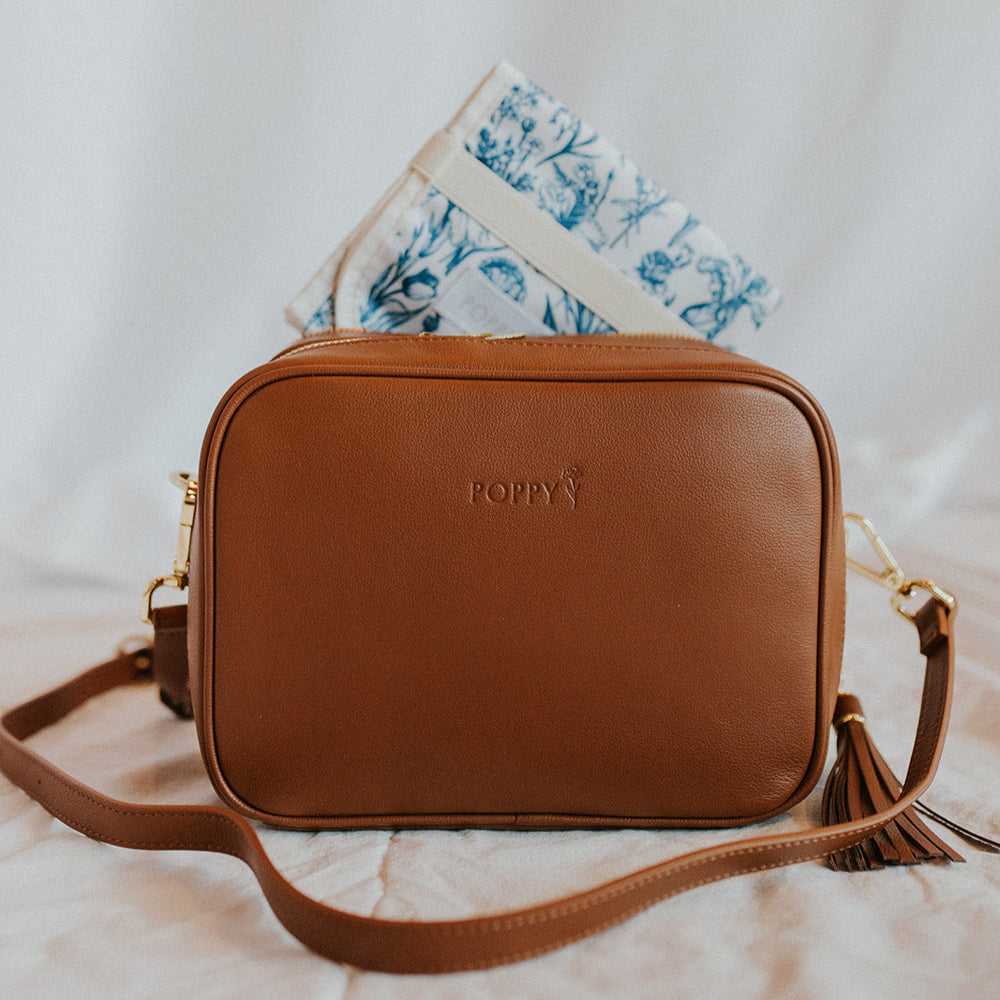
In many ways, this philosophy is exactly how The Poppy Bag came to life.
Not a bigger bag — but as a smarter one.
A smaller, more intentional system designed to support the rhythm of everyday life.
Fewer decisions.
More ease walking out the door.
The bag itself is a tangible reminder of this belief:
that thoughtful systems — even small, physical ones — can reduce friction and make the ordinary feel lighter.
Thinking Small Is Thinking Big
Giving as much value to the small, day-to-day and supporting it with intentional systems is acknowledging that:
- the everyday deserves as much care as the exceptional
- sustainability beats perfection every time
Big moments make memories.
Small systems shape your lived experience.
Why I Built Sanity-Saving Systems
I created Sanity-Saving Systems because I believe the most impactful changes aren’t always the biggest ones — they’re the ones that remove stress and friction from your everyday life.
They’re designed to take the mental load off of the moments that repeat daily.
So you’re not:
- stressed about what’s for dinner every night or even once week
- rushing out the door and starting the day flustered
- searching for socks, water bottles, or permission slips
- making the same decisions over and over again
Instead, you have systems that:
- smooth out your mornings before the day even begins
- simplify meal planning so you only think about it once a month
- create predictable rhythms your kids can rely on
- free up mental space so you can actually be present
This isn’t about doing more.
It’s about thinking ahead once, so you don’t have to think about it every single day.
Because a life that feels good day-to-day is intentionally created one small system at a time.